Sustainable Practices: Integrating Eco-Friendly Cleaning in Hospitality.
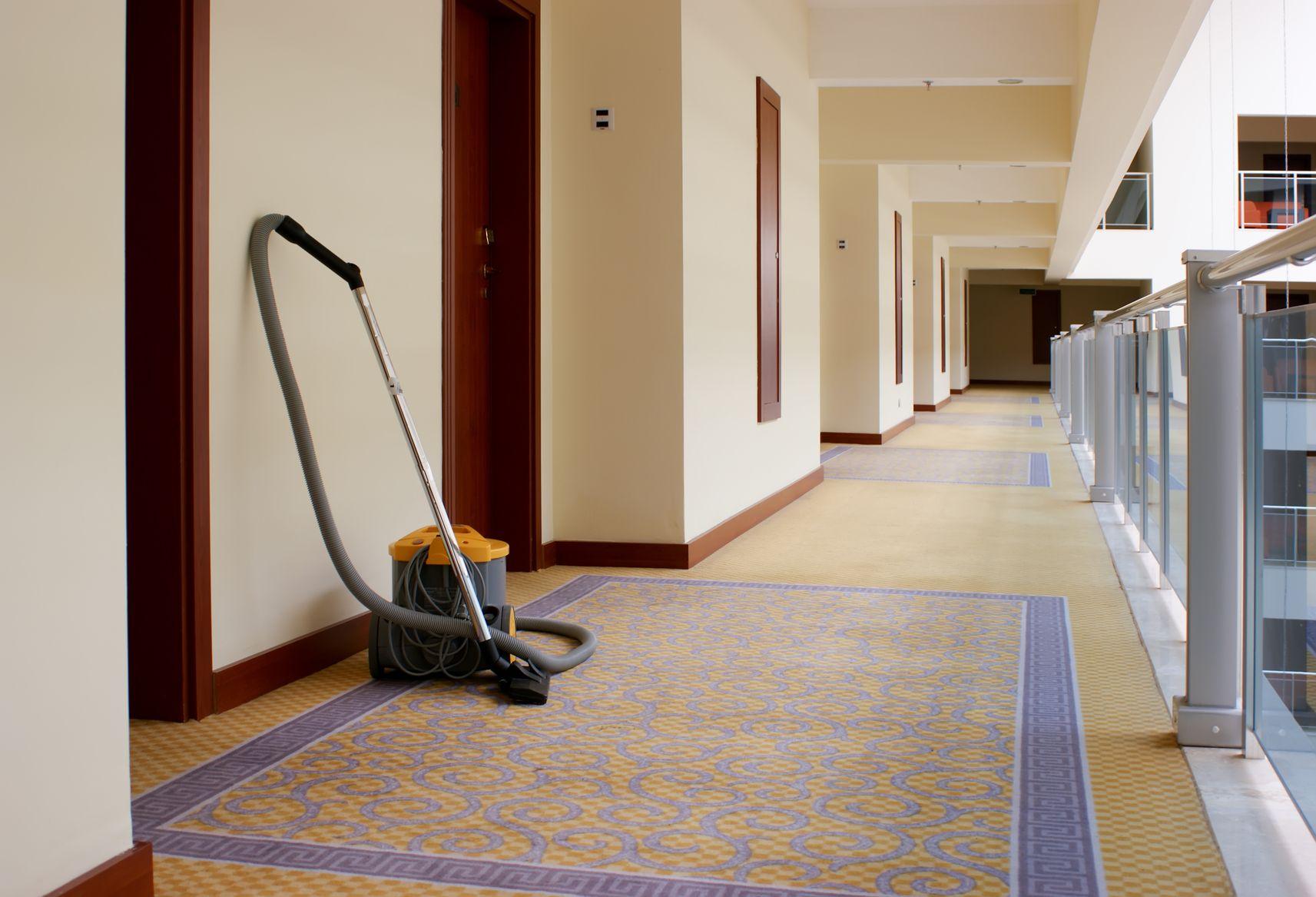
Embracing a Greener Future in Hospitality Cleaning
The hospitality sector faces an increasing imperative to adopt more sustainable operational practices. Traditional cleaning methods often rely heavily on harsh chemical agents and excessive water consumption, leading to significant environmental footprints. This not only impacts ecosystems but also raises concerns about indoor air quality for guests and staff, potentially affecting their well-being and overall experience. The shift towards eco-friendly alternatives is no longer a niche trend but a fundamental expectation from a growing segment of environmentally conscious travelers.
Guests are increasingly seeking accommodations that align with their values, prioritizing businesses that demonstrate a commitment to environmental stewardship. A hotel's sustainability efforts, or lack thereof, can directly influence booking decisions and brand loyalty. Ignoring this evolving consumer demand risks alienating a valuable demographic and falling behind competitors who are already integrating greener solutions. The challenge lies in transitioning without compromising on the high standards of cleanliness and hygiene expected in hospitality.
Operational efficiency is another critical aspect affected by conventional cleaning approaches. The procurement, storage, and disposal of a wide array of chemical products can be complex and costly. Furthermore, the potential for staff exposure to hazardous substances necessitates rigorous safety protocols and training, adding another layer of operational overhead. Finding solutions that streamline processes while enhancing safety and reducing environmental impact is paramount for long-term success and profitability.
Regulatory landscapes are also evolving, with many regions implementing stricter environmental protection laws concerning waste management, chemical use, and water discharge. Non-compliance can result in substantial fines and reputational damage, making proactive adoption of sustainable practices a strategic necessity. Businesses must navigate these complexities, ensuring their cleaning protocols meet current and future legal requirements, thereby safeguarding their operations and public image. The path forward requires thoughtful planning and investment in innovative solutions.
Ultimately, the current situation presents a dual challenge: meeting the high expectations for cleanliness and guest comfort while simultaneously minimizing environmental harm and optimizing operational costs. This requires a holistic approach that re-evaluates every aspect of cleaning, from product selection to staff training and technological integration. The journey towards truly sustainable cleaning is complex but offers substantial rewards in terms of brand reputation, guest satisfaction, and ecological responsibility.
- Reliance on Conventional Chemicals: Many establishments continue to use cleaning agents containing phosphates, chlorine, and VOCs, which can pollute waterways and contribute to air quality issues. This often stems from ingrained purchasing habits and a lack of awareness regarding viable eco-alternatives.
- Inefficient Resource Use: Overuse of water for rinsing, excessive paper product consumption, and energy-intensive equipment contribute to a larger carbon footprint. This inefficiency can be exacerbated by inadequate training on best practices for resource conservation during cleaning routines.
- Limited Staff Training: Without proper education on the benefits and correct application of sustainable cleaning methods and products, staff may default to familiar, less eco-friendly practices, hindering effective implementation of green initiatives.
Solution 1: Adopting Eco-Certified Cleaning Products
One of the most direct ways to integrate sustainable practices is by transitioning to eco-certified cleaning products. These products are formulated with ingredients that are biodegradable, non-toxic, and derived from renewable resources, significantly reducing their environmental impact. They avoid harsh chemicals known to be detrimental to aquatic life and human health, ensuring a safer environment for both guests and cleaning personnel. The selection process should involve reviewing certifications from reputable organizations, ensuring genuine environmental benefits.
Implementing this solution involves a thorough audit of existing cleaning supplies and identifying suitable replacements across all categories, including disinfectants, glass cleaners, floor care, and laundry detergents. It is crucial to ensure that the chosen eco-friendly products meet the rigorous cleanliness and sanitization standards required in hospitality. Many modern green products offer comparable, if not superior, performance to their conventional counterparts, dispelling myths about efficacy trade-offs. Clariox provides a range of solutions that meet these stringent requirements.
Beyond product efficacy, considering concentrated formulas can further enhance sustainability by reducing packaging waste and transportation emissions. Training staff on proper dilution ratios and application techniques is essential to maximize product performance and minimize waste. Clear labeling and accessible information about the new products will empower cleaning teams to use them effectively and confidently, fostering a sense of ownership in the green transition. This approach helps reduce the overall chemical load in the environment.
The benefits extend beyond environmental protection. Using less irritating and allergenic products improves indoor air quality, contributing to a more pleasant and healthier environment for guests, especially those with sensitivities. For staff, reduced exposure to harsh chemicals can lead to fewer respiratory issues and skin irritations, improving their overall job satisfaction and well-being. This positive impact on human health is a compelling reason for adoption.
Moreover, promoting the use of eco-certified products can be a powerful marketing tool. Guests who value sustainability will appreciate a hotel's commitment to using environmentally responsible cleaning agents, enhancing brand perception and attracting a loyal customer base. Transparent communication about these initiatives, perhaps through in-room signage or website information, can effectively convey the hotel's dedication to a greener future. It demonstrates a genuine care for both people and the planet.
Solution 2: Implementing Advanced Cleaning Technologies
Integrating advanced cleaning technologies offers another significant pathway to enhancing sustainability and efficiency. Technologies such as microfiber systems, steam cleaners, and ozone sanitizers can drastically reduce the need for chemical agents and minimize water usage. Microfiber cloths and mops, for instance, are highly effective at capturing dirt and bacteria with just water, reducing reliance on detergents and disinfectants. Their durability also means a longer lifespan compared to traditional cotton, leading to less waste.
Steam cleaning provides a powerful, chemical-free method for sanitizing surfaces, killing germs and allergens using high-temperature vapor. This is particularly effective for bathrooms, kitchens, and other areas requiring deep cleaning without introducing chemical residues. The minimal water usage and rapid drying times associated with steam cleaning also contribute to operational efficiency, allowing rooms to be prepared quicker for new guests. It offers a robust solution for maintaining hygiene.
Ozone sanitation systems, whether for water treatment or air purification, represent a cutting-edge approach. Ozonated water can be used as a potent disinfectant and deodorizer, replacing many conventional cleaning chemicals. For air purification, ozone generators can eliminate odors and airborne pathogens without the use of aerosols or chemical sprays, creating a fresher and healthier indoor environment. These technologies offer a substantial leap forward in eco-friendly cleaning capabilities.
The initial investment in such technologies can be offset by long-term savings on chemical purchases, water bills, and labor. Furthermore, these systems often require less physical effort from cleaning staff, potentially reducing strain and improving ergonomics. Training programs are crucial to ensure staff are proficient in operating and maintaining these advanced tools, maximizing their effectiveness and longevity. This ensures a smooth transition and optimal performance.
Beyond the environmental and cost benefits, advanced cleaning technologies can significantly elevate the guest experience. Rooms cleaned with steam or ozone often feel fresher and are free from the lingering chemical odors sometimes associated with traditional cleaning. This subtle yet impactful difference can contribute to higher guest satisfaction scores and positive reviews, reinforcing the hotel's commitment to providing a superior and healthier stay. It underscores a dedication to excellence.
Solution 3: Comprehensive Staff Training and Policy Integration
The human element is critical in any successful sustainability initiative. Comprehensive staff training on eco-friendly cleaning practices is indispensable for ensuring consistent implementation and maximizing the benefits of greener products and technologies. Training should cover the proper use of new eco-certified products, including correct dilution ratios and application methods, to avoid waste and ensure efficacy. It also needs to emphasize the importance of resource conservation, such as minimizing water use during cleaning tasks.
Beyond product usage, training should instill a deeper understanding of the environmental impact of cleaning choices and the hotel's commitment to sustainability. Educating staff on why these changes are being made can foster greater engagement and buy-in, transforming them into active participants in the green transition. This includes demonstrating how their individual actions contribute to the hotel's overall environmental goals and guest satisfaction. A motivated team is a more effective team.
Developing clear and detailed sustainable cleaning policies and procedures is equally important. These policies should outline standard operating procedures for all cleaning tasks, incorporating eco-friendly methods and products. They should also address waste segregation and recycling protocols, ensuring that materials are disposed of responsibly. Regular audits and feedback mechanisms can help monitor compliance and identify areas for further improvement, ensuring continuous enhancement of practices.
Integrating these policies into daily operations means making them accessible and easy to understand for all team members. Visual aids, checklists, and regular refreshers can help reinforce best practices. Furthermore, empowering staff to suggest improvements or identify challenges in the new system can lead to valuable insights and greater ownership. This collaborative approach ensures that policies are not just theoretical but practical and adaptable to real-world scenarios within the hotel environment.
Recognizing and rewarding staff for their adherence to sustainable practices can further motivate the team. This could include internal recognition programs or incentives for achieving specific sustainability targets. By creating a culture where eco-conscious cleaning is valued and celebrated, hotels can build a team that is not only efficient but also deeply committed to environmental stewardship. This reinforces the idea that sustainability is a shared responsibility and a core value of the organization, like at Clariox.
- Risk of Initial Investment Costs: Transitioning to eco-friendly products and technologies may require an upfront financial outlay. Recommendation: Conduct a thorough cost-benefit analysis, highlighting long-term savings from reduced chemical use and improved efficiency to justify the investment.
- Staff Resistance to Change: Employees may be hesitant to adopt new methods or products due to unfamiliarity or perceived inconvenience. Recommendation: Provide extensive, hands-on training and clearly communicate the benefits for staff well-being and the environment. Involve them in the transition process.
- Perceived Efficacy Concerns: There might be skepticism regarding the cleaning power of green products compared to traditional ones. Recommendation: Showcase product certifications and conduct internal trials to demonstrate their effectiveness, emphasizing that modern eco-friendly solutions offer comparable or superior performance.
Related posts
Comments
Clint Dunn
This article presents a very clear and actionable roadmap for hotels looking to green their cleaning operations. The solutions are practical and well-explained. I particularly appreciate the emphasis on staff training.
Emerson Fisher
Thank you for your positive feedback! We believe that empowered staff are indeed the backbone of any successful sustainability initiative. Their understanding and commitment are key to achieving lasting change and delivering a superior guest experience.
Theresa Young
While the benefits are clear, the initial investment for new technologies could be a significant hurdle for smaller establishments. Are there any specific recommendations for managing these costs effectively?
Wayne Wilson
That's a very valid point. For smaller establishments, we often recommend a phased approach. Start with eco-certified products, which typically have a lower entry cost, and gradually introduce advanced technologies as budget allows, focusing on those with the quickest ROI. Exploring government grants or sustainable financing options can also be beneficial.